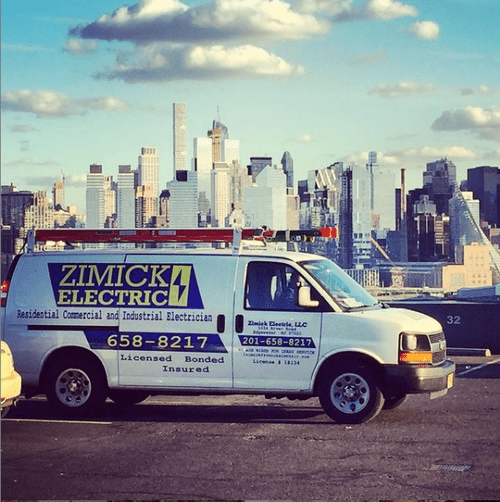
EV charging installation in northern New Jersey
Level 2 and DC fast charging for commercial sites, multifamily properties, and homes. Every one of them is a load calculation and a utility coordination problem before it is an installation problem.
Make-ready built for the ports you will add later
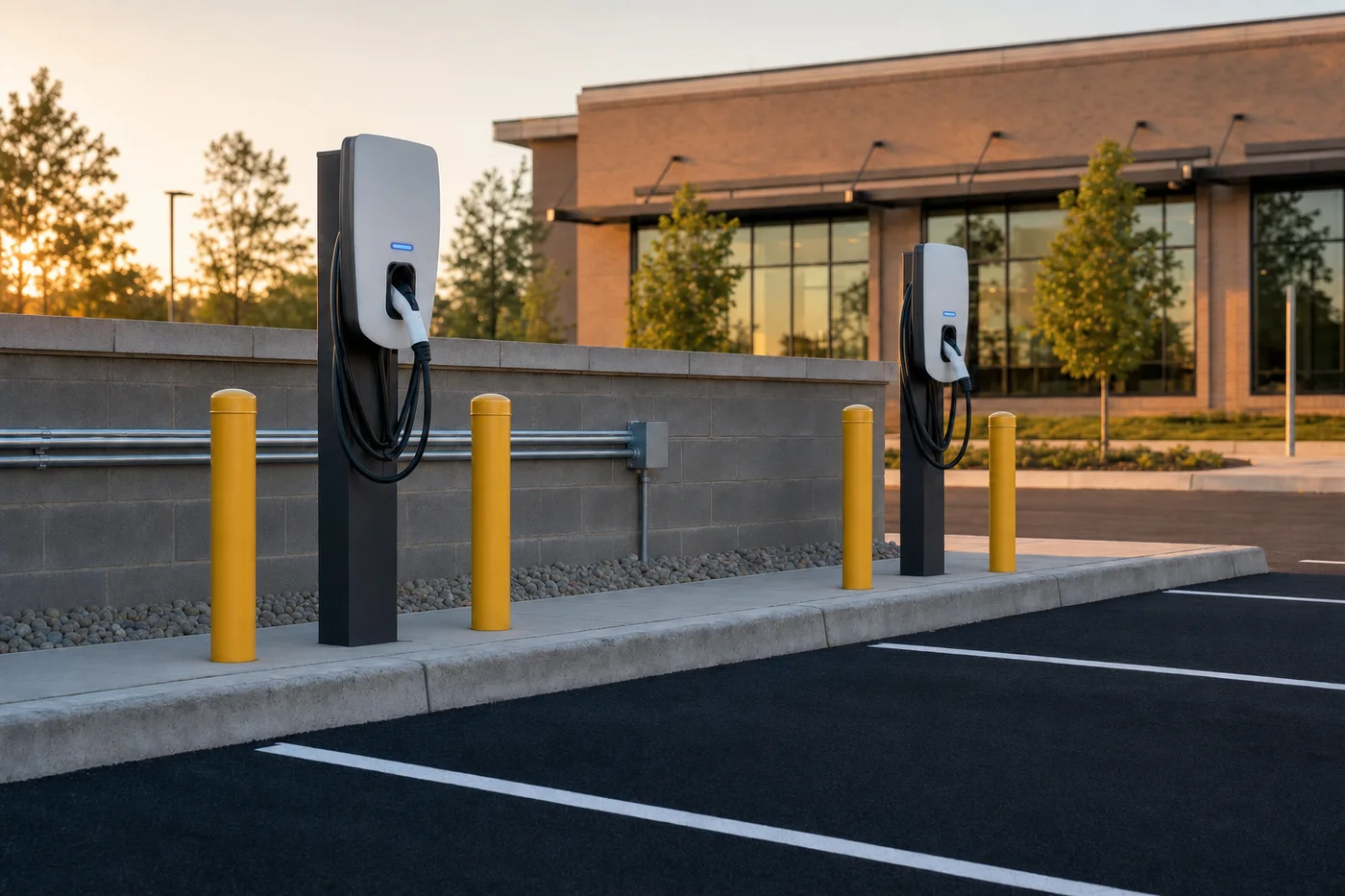
Most of the cost in a commercial charging project is not the chargers. It is the service capacity, the trenching, and the distribution you put in the ground. Size that for today only and the second phase costs more than the first one did.
We do the load study first, confirm what the existing service will actually carry, and coordinate with the utility before anything gets ordered. Then we build the make-ready so additional ports are a connection rather than a second excavation.
If you are still deciding whether a charging project is even possible at a property, that capacity question can be answered on its own. See the electrical service and capacity assessment.
- Load study and service capacity. What the building carries now, what it carries with chargers, and what the upgrade costs if it does not.
- Utility coordination. Service upgrades, metering, and transformer capacity worked out with the utility early rather than discovered late.
- Underground and site distribution. Conduit, pull boxes, and pad work sized for the port count you expect to reach.
- Load management. Power sharing across ports so a site can serve more vehicles without a service upgrade it cannot justify.
- Commissioning and closeout. Documented testing, closed permits, and an as-built package the property manager can hand to the next contractor.
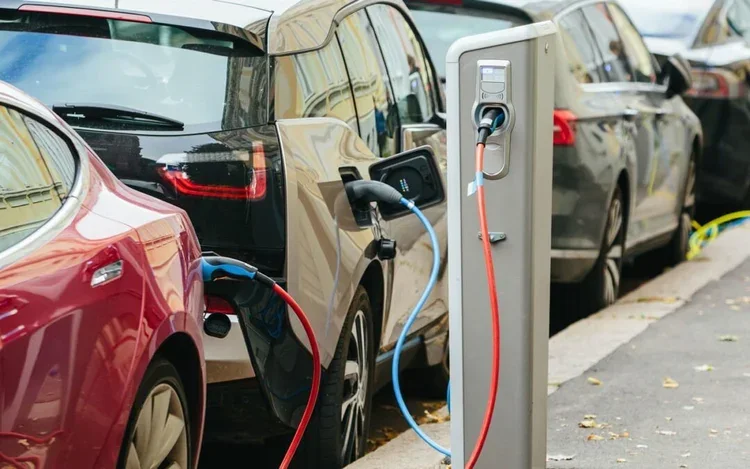
The rebate lives or dies on the paperwork
We complete a residential Level 2 install in one day, and depending on conditions a service upgrade along with it. The part that outlasts the work is the paperwork, and that is where New Jersey homeowners lose the incentive money, almost never because the installation was wrong.
The PSE&G residential program reimburses customer-side make-ready, meaning the panel upgrade, the circuit, and the permit. To collect it, the homeowner has to submit an itemized contractor invoice marked PAID that carries the contractor license number, together with a closed municipal permit including UCC Form F-222A, Approval for Electrical, and a photo of the charger serial number (PSE&G program requirements).
That is a document package, not a receipt. We pull the permit, we close it, and we issue an invoice built to satisfy the program the first time. Same submittal discipline we use on a hospital corridor, applied to a garage.
- One day is the standard. A Level 2 install on a panel with room for the circuit is a one-day job. Depending on conditions, we complete a service upgrade and the charger install in the same day as well. What we will not promise on our own schedule is utility-side work or an inspector's calendar, so we tell you which of those is in play before we start.
- Panel and service evaluation. A 48A circuit in a house with a 100A service is a service conversation, and we would rather have it before you buy the charger.
- Permit pulled and closed. Municipal electrical permit filed, inspection scheduled, and the approval form returned to you for your application.
- Program-ready invoicing. Itemized, marked paid, license number 34EB01813400 on the face of it.
- ENERGY STAR Level 2 equipment. Networked smart chargers that meet the eligibility rules, not whatever was on the shelf.
- Whole-house standby, same crew. If the conversation turns into a generator, it is the same load calculation and the same contractor.
New Jersey residential incentives, as written
These are the two programs a homeowner in our service area is most likely to use. Amounts and rules come straight from the program pages. Read them yourself before you plan around them.
PSE&G EV Residential Charging Program
An on-bill credit of up to $1,500 per charger toward customer-side make-ready, which covers electrical panel upgrades and permits. Where PSE&G has to perform utility-side work, a required customer deposit can be reduced by up to $5,000. The program does not reimburse the charger itself.
Eligibility requires an ENERGY STAR certified Level 2 smart charger on a single residential meter inside PSE&G electric territory, a New Jersey licensed electrician, and a closed municipal permit. Combined state, federal, and PSE&G funding cannot exceed 90 percent of total project cost. Program page and full terms.
Charge Up New Jersey, in-home charger incentive
Up to $250 toward the purchase of an eligible Level 2 smart charger, backed by $3 million approved by the New Jersey Board of Public Utilities. The charger has to be actively connected to a compliant network service provider when the application is approved. Applicants may claim up to two charger incentives, the second only after moving to a new primary residence. Program page and requirements.
How to apply
We wrote the whole process out, program by program, including the exact documents each application asks you to upload and the mistakes that get applications sent back. Read Home EV charger incentives in New Jersey: what the programs pay and how to apply.
Who applies
In both programs the customer submits the application, not the contractor. What we control is the part that gets applications rejected: the invoice, the license number on it, the permit, and the inspection approval. We hand you that package at closeout.
Verification note
Program amounts and requirements above were verified against the PSE&G and Charge Up New Jersey program pages on September 3, 2026. Incentive programs change and funding runs out. Confirm current terms on the program pages before committing to a scope, or ask us and we will check.
Bergen, Hudson, Essex, and Passaic
We work out of Englewood and run EV charging work across the four counties we serve. Commercial sites, apartment and condominium properties, and single-family homes are all the same trade problem at different scale: figure out what the service will carry, coordinate the utility, permit it properly, and document it so the paperwork holds up.
If you are a property manager weighing charging for a building, or a homeowner who just ordered a vehicle and wants to know what your panel can handle, call and ask. We will tell you what it involves before anyone talks about price.